Whether your saluki is a pet at home or a star destined for the show ring, grooming your saluki is a very important aspect of keeping your hound happy and healthy. Luckily salukis are rather low-maintenance when it comes to coat care.
The Saluki Coat
The saluki comes in 2 varieties; feathered and smooth. The feathered saluki is the most prominent variety, easily identifiable by the long hair on their ears, tails and behind their legs. The smooth saluki variety is exactly the same as it’s feathery-counterparts except the have short hair all-over.


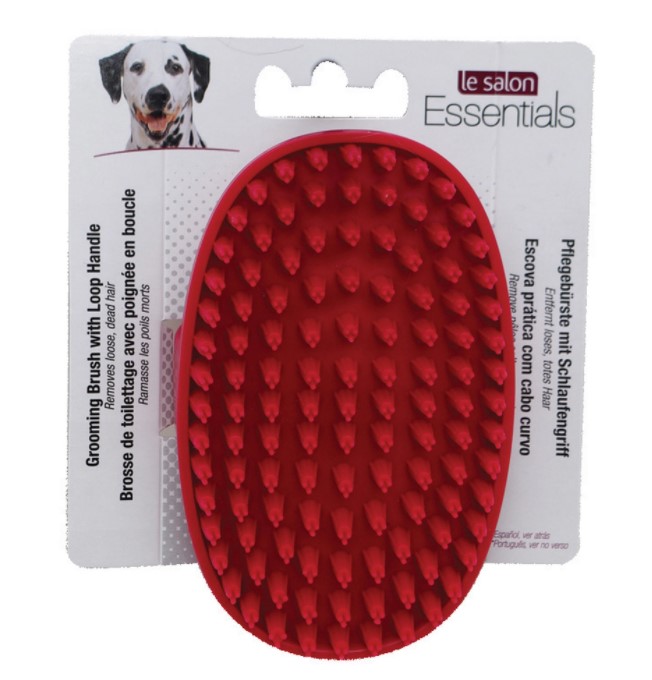
The saluki’s coat is smooth, silky and odourless. They require very little grooming, and seldom need a bath since they never smell “doggy”. Day-to-day grooming merely involves keeping the coat smooth by brushing out dead hairs from time to time with a rubber comb and keeping the knots out of the feathering.
For regular grooming, you will need:
- a good quality slicker brush
- a soft rubber comb
- good quality dog shampoo
- dog nail clippers
- dog ear cleaner

Grooming a Saluki
Bath your Saluki in a bath, preferably with a hand-held shower. Wet the dog thoroughly then work in the shampoo. Rinse carefully, taking care not to get water in the ear cavity. Because of their folded ears, salukis can get ear infections if their ears aren’t kept dry and clean.
Nails should be clipped regularly with a special pet nail trimmer. Ensure that you take off just the tip – if you cut the quick, apply a little Conde’s Crystals on a damp cotton bud with some pressure. Some Saluki will keep their nails short naturally if they have access to hard ground.

Saluki Show Grooming
Preparing your Saluki for a show is another story – now you can pull out all the stops to make our Saluki look and smell absolutely fabulous. You might want to keep your Saluki’s feathering well conditioned to encourage growth. The dull, fluffy hair growth on the body and outer sides of the legs is not feathering and should be stripped out if you are planning to show your dog.
Some Salukis grow feathering on the underside of their necks – it is up to the individual to decide whether to strip this frill or leave it “au naturel’ for the showring. Fluffy coats can sometimes benefit from regular brushing rather than plucking.
Plucking requires patience, daily work and strong fingers. Remember to pluck with the lie of the coat. Fluffy bits can highlight a bad point that doesn’t exist. For example, excessive feathering at the elbow can make the Saluki look as though it is elbowing-in (or out), while heavy feathering at the points of the hock can make it look cow-hocked.
Watch this handy video to see how to pluck your saluki for the show ring:
Stand your Saluki in front of a mirror and, if necessary, pluck small tufts out from the inner elbow or hock.
- Use a stripper block (a pumice stone – also called a “groomer’s stone” or “bot block” for horses) to remove all unwanted fluff (usually found under the tummy and on the sides of the thighs and shoulders) by dragging the rough corners of the block repeatedly over the area. The block snags the hair and pulls it out – no, it is not sore!

- Give the coat a good rub down with the rubber pad, working in all directions, to remove dead hair.
- Follow this with a smooth brush down, using a soft brush to remove the last few loose hairs.
- Bath, condition, and rinse the dog and dry thoroughly.
- Gently brush through the feathering, using an anti-static rinse (about 1cm baby oil in a spray bottle, an equal amount of Sta-Soft, then fill the bottle with water) if desired.
- Check nails, teeth and ears.
For the show ring it is important to keep those feathery ears in the best condition. To ensure your hound doesn’t accidentally bite of bits of hair, it’s a good idea to have your saluki wear a snood when they eat.
